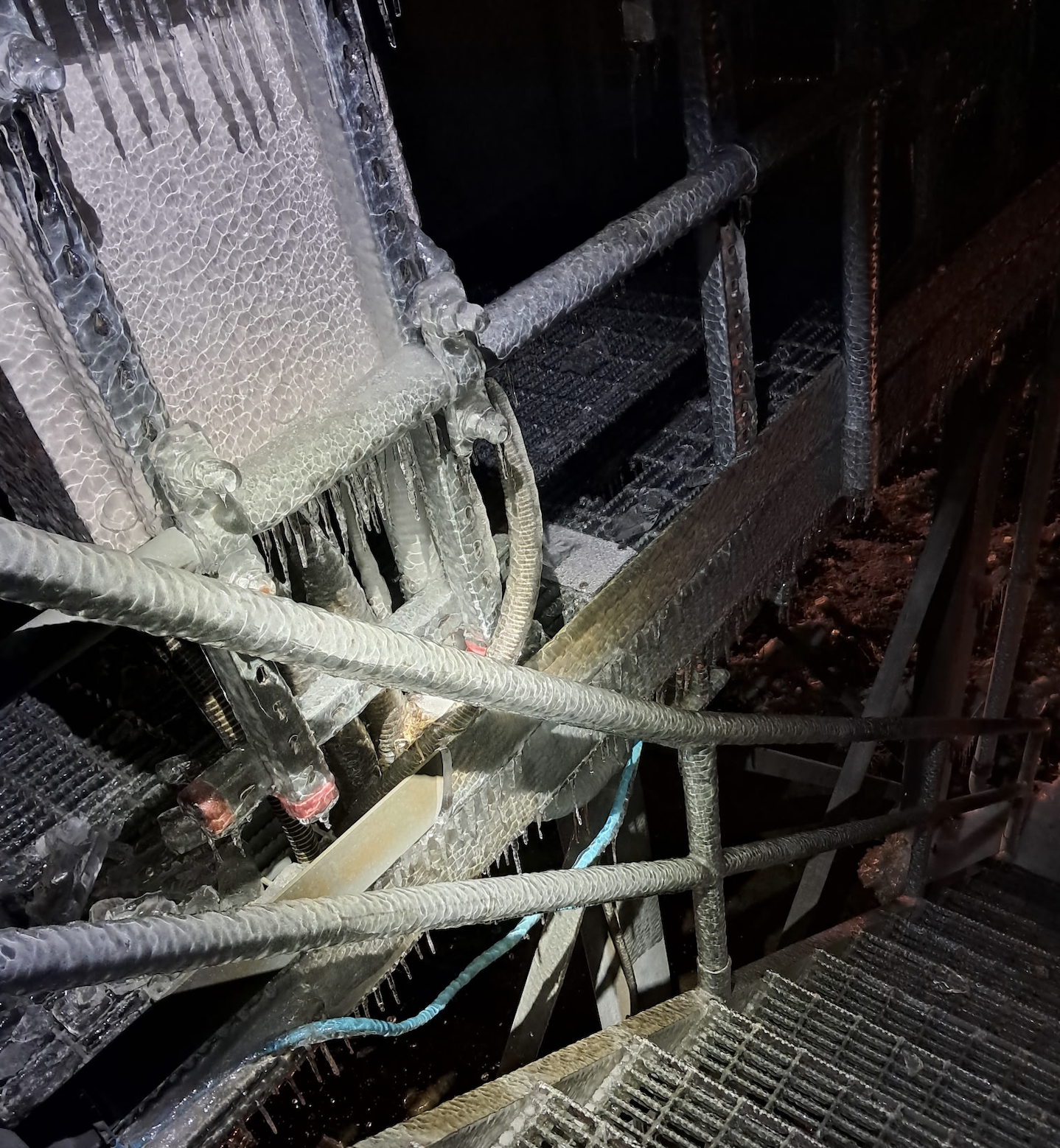
Winter storms like Winter Storm Fern place extreme pressure on power, fuel, and logistics systems across the Southeast. Ice accumulation, freezing rain, and extended outages can disrupt grid power, limit access to sites, and strain fuel supply chains—especially for telecom, data centers, utilities, and emergency operations.
At Cat5 Resources, our role during winter storm events is to support mission-critical infrastructure through generator fueling, bulk fuel logistics, transportation, and rapid response coordination. Below are answers to the most common winter storm questions we receive from organizations preparing for or operating during severe winter weather.
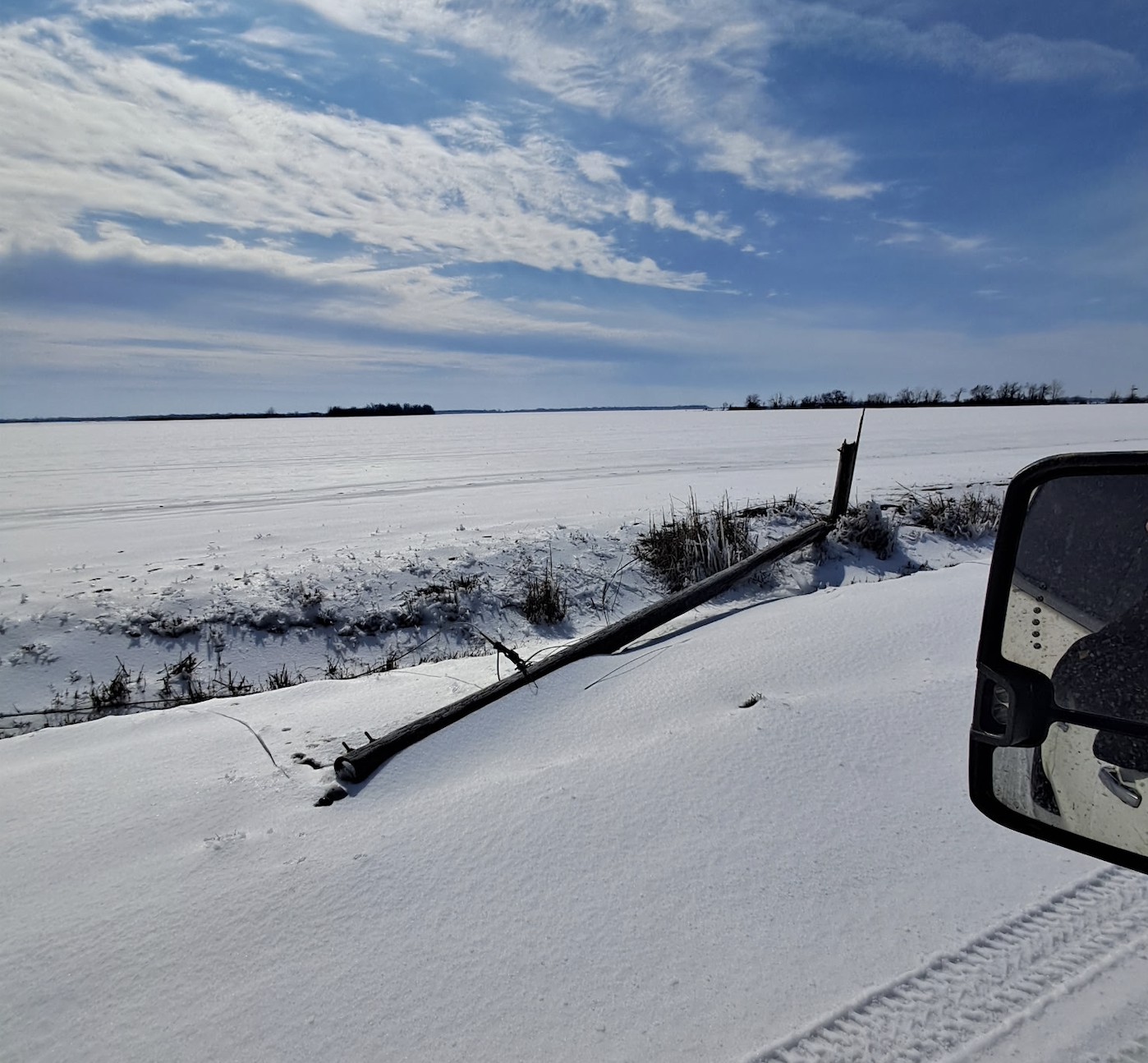
What are the biggest risks to critical infrastructure during winter storms?
Winter storms introduce multiple operational risks, including:
- Loss of utility power for extended periods
- Fuel supply interruptions due to road conditions
- Access issues to remote or secured sites
- Increased generator runtime and fuel consumption
- Frozen components, tanks, or delivery points
These risks often occur simultaneously, making coordinated planning and response essential.
How does winter weather affect generator performance?
Cold temperatures and ice can:
- Increase generator load as systems work harder
- Reduce fuel efficiency during extended runtimes
- Delay refueling if access routes are compromised
- Create challenges with frozen fuel lines or connections
Routine maintenance, fuel planning, and on-call fueling support help reduce these risks during prolonged cold-weather events.
Why is proactive fuel planning important before a winter storm?
Storm conditions can limit fuel availability and transportation access. Proactive planning helps ensure:
- Adequate on-site fuel reserves
- Scheduled refueling before conditions worsen
- Priority access to fuel delivery resources
- Reduced risk of downtime during peak storm impact
Organizations that plan ahead are far better positioned to maintain uptime during multi-day winter events.
How does Cat5 Resources support sites during winter storms?
During winter storm operations, Cat5 Resources provides:
- Emergency and scheduled generator fueling
- Bulk fuel distribution and logistics coordination
- Transportation of generators and fuel assets
- Support for telecom towers, data centers, utility sites, and critical facilities
- Multi-site fueling coordination across impacted regions
Our teams are structured to respond during severe weather while maintaining operational safety.
What types of sites typically require winter storm support?
Cat5 Resources regularly supports:
- Telecom and communication towers
- Data centers and network hubs
- Utility infrastructure
- Healthcare and emergency facilities
- Transportation and logistics hubs
- Government and public safety operations
These environments require uninterrupted power and fuel access during winter storms.
How early should organizations prepare for winter weather events?
Preparation should begin before winter weather arrives, including:
- Reviewing fuel levels and generator readiness
- Confirming access routes and site permissions
- Establishing emergency response contacts
- Coordinating logistics plans for extended outages
Early preparation significantly reduces risk during fast-moving winter storms.
What makes winter storm response different from other emergency events?
Unlike hurricanes or floods, winter storms:
- Impact large geographic areas simultaneously
- Create hazardous road and access conditions
- Often result in longer power restoration timelines
- Increase fuel demand across multiple sectors at once
This makes coordination, logistics, and execution critical to maintaining operations.
How can organizations improve winter storm resilience?
Resilience starts with:
- Reliable fuel logistics partners
- Clear emergency response planning
- Regular generator maintenance
- Multi-site coordination capabilities
- Experience operating during severe weather
These factors help ensure continuity when winter storms disrupt normal operations.