
At Cat5 Resources, we regularly work in environments where reliable backup power is essential. Telecommunications infrastructure, emergency response networks, logistics operations, and field equipment often depend on generator systems to maintain continuity during outages or severe weather events. When these systems are expected to perform immediately, proper generator maintenance becomes critical.
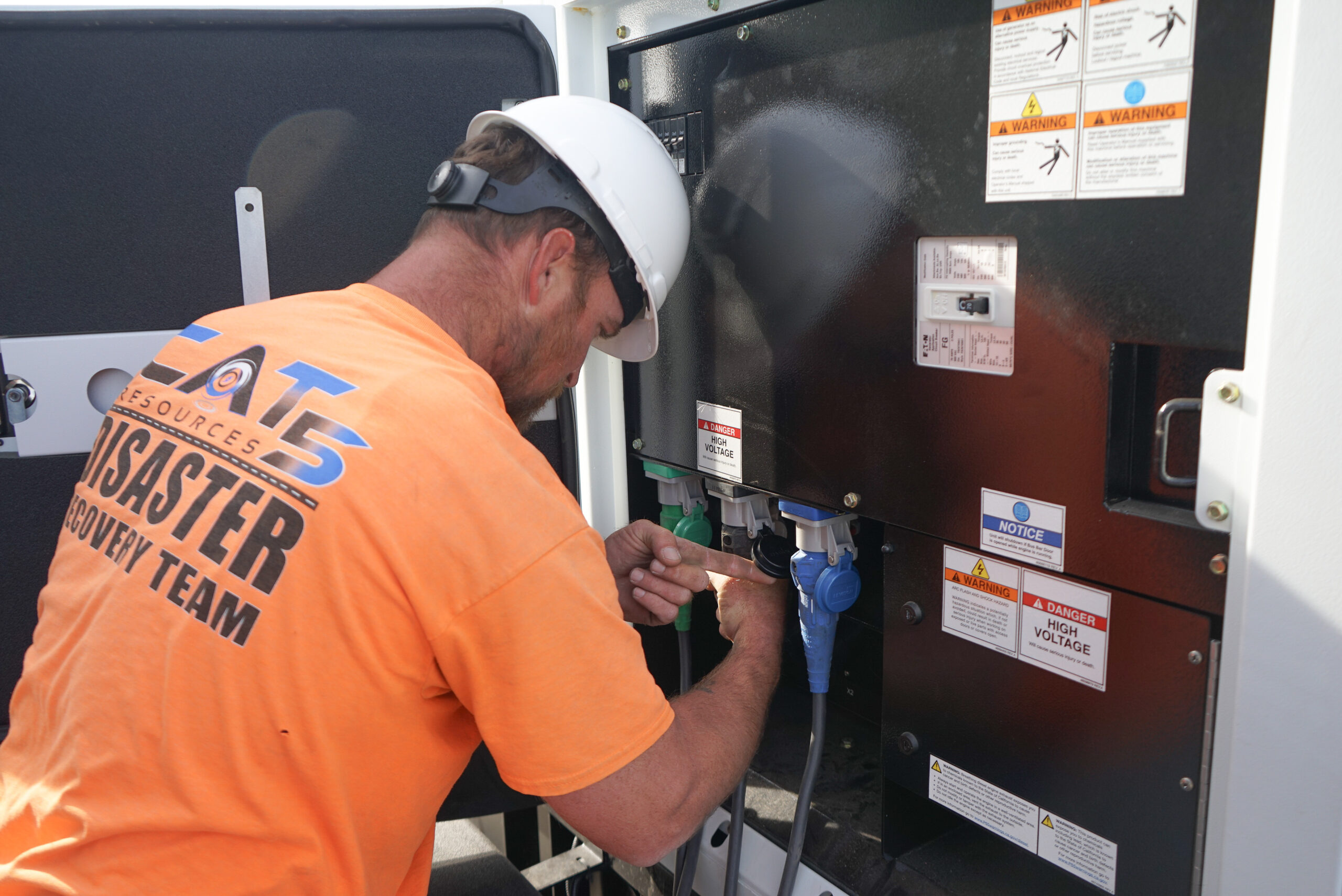
Generators may sit unused for long periods, but they must start instantly when grid power fails. Without routine maintenance, issues like degraded fuel, battery failure, worn components, or electrical faults can prevent the generator from operating when it is needed most. For organizations responsible for maintaining infrastructure such as cell tower sites or communication tower locations, this risk can directly impact operations and connectivity.
Routine generator maintenance services help reduce that risk by ensuring systems remain ready for deployment. Inspections, system checks, and operational testing help identify potential problems before they become failures during an outage.
Supporting Infrastructure Sites That Depend on Backup Power
Infrastructure environments often involve multiple remote locations that rely on generators for uptime. Telecommunications towers, network hubs, and remote equipment facilities frequently depend on backup power to maintain communications and monitoring systems.
At Cat5 Resources, we understand how important generator readiness is in these environments. When infrastructure teams maintain generators properly, they reduce the likelihood of service disruptions and improve response readiness during storms or power failures.
Generator maintenance is also closely connected to other operational factors such as fuel availability, generator transport logistics, and infrastructure access planning. Backup systems must not only function correctly but also remain supported by reliable fueling and operational coordination.
Planning Generator Maintenance Before Emergencies Occur
The best time to evaluate generator systems is before they are needed. Organizations that operate across multiple regions often develop maintenance schedules that include inspections, testing, and system readiness reviews throughout the year.
When severe weather, outages, or emergency situations occur, generators that have been regularly maintained are significantly more likely to perform as expected.
By focusing on proactive maintenance and operational readiness, infrastructure operators can reduce downtime, maintain communications, and keep essential services operational when conditions become unpredictable.
Generator Maintenance FAQ
Why is generator maintenance important for infrastructure sites?
Generator maintenance ensures backup power systems operate properly during outages. Infrastructure environments like telecommunications towers, logistics facilities, and network equipment sites often rely on generators to maintain continuous operations.
What does generator maintenance typically include?
Generator maintenance may include fuel system inspections, battery testing, electrical checks, cooling system review, and testing to confirm the generator can perform under load when required.
How does generator maintenance support communication tower operations?
Communication tower sites often depend on backup generators to maintain network connectivity during power outages. Proper maintenance helps ensure these systems activate immediately and continue supporting communication infrastructure.
How often should generators be maintained?
Maintenance schedules vary depending on equipment usage, environmental conditions, and operational requirements. Critical infrastructure environments typically follow routine inspection and service schedules to maintain reliability.
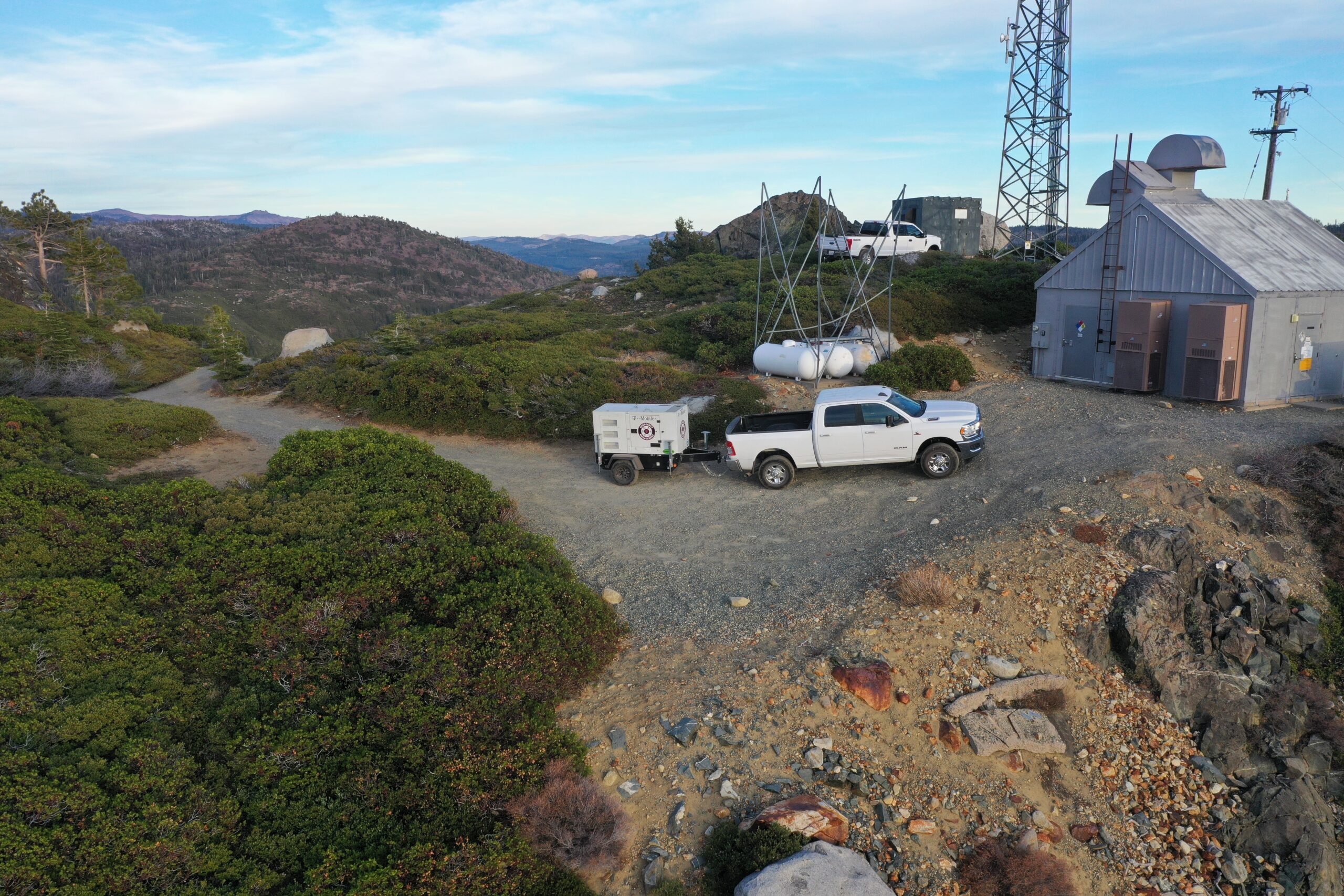
If your organization operates telecommunications infrastructure, remote equipment sites, or generator-supported systems, contact us to learn how Cat5 Resources can help improve operational readiness through generator fueling logistics, infrastructure support, and field coordination services.