
Hurricane Isaias served as another reminder of how quickly severe weather can threaten electrical infrastructure, disrupt business operations, and create challenges for organizations that depend on reliable power.
For commercial facilities, telecommunications providers, and businesses operating critical infrastructure, hurricane preparedness involves more than having a backup generator available. Maintaining that equipment, establishing emergency fueling plans, and preparing for extended outages are essential components of business continuity.
As organizations across the Gulf Coast evaluate their emergency preparedness strategies, Hurricane Isaias provides an important opportunity to revisit the role of emergency generator fueling, backup power maintenance, and coordinated facility support.
Hurricane Isaias and the Challenges of Maintaining Critical Power
As Hurricane Isaias approached the northern Gulf Coast in October 2026, the National Hurricane Center warned of dangerous winds, storm surge, heavy rainfall, and the potential for prolonged power outages across affected areas.
National Oceanic and Atmospheric Administration Home
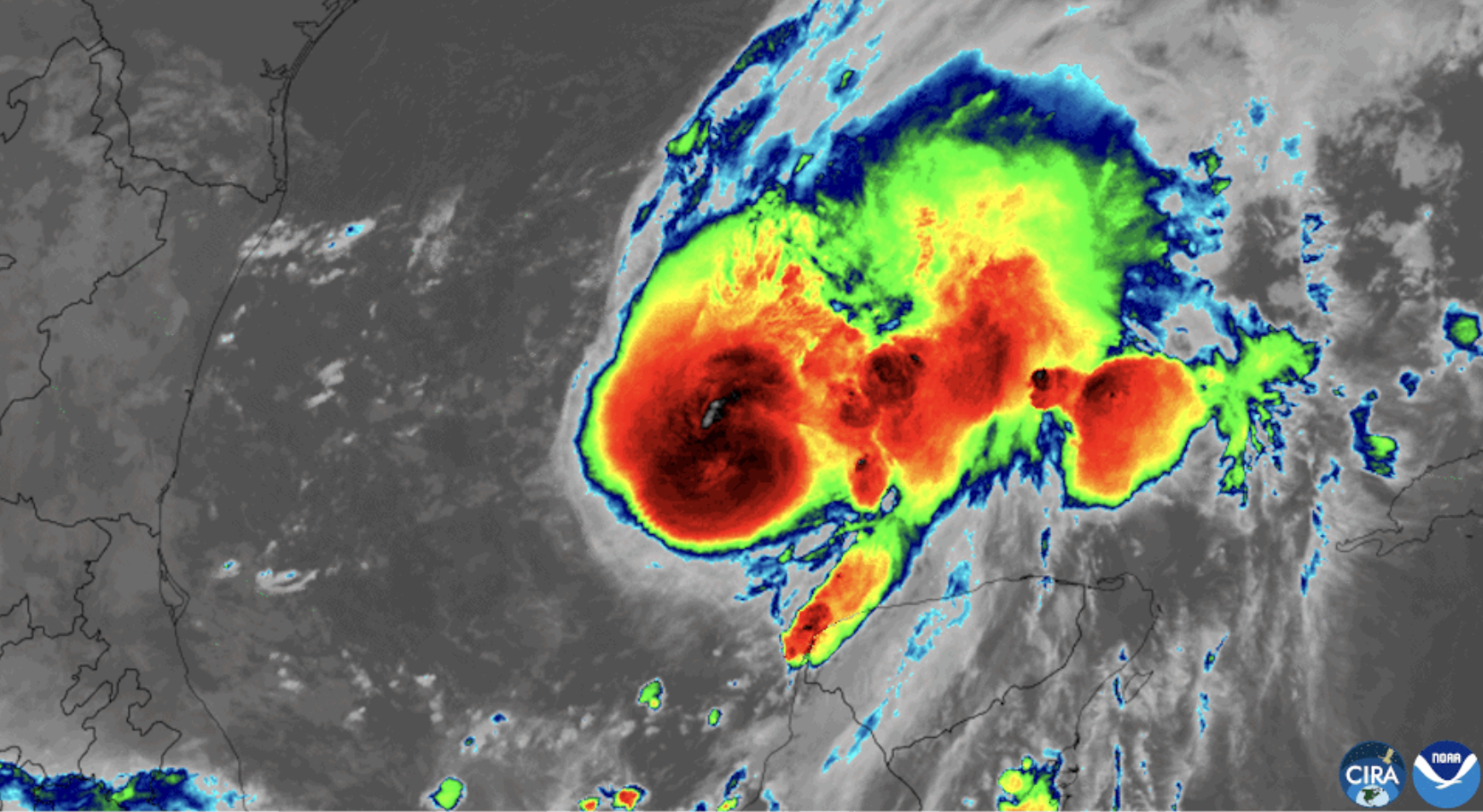
Severe storms create several challenges for businesses and infrastructure operators, particularly when commercial power becomes unavailable.
Backup generators can help maintain essential operations, but their effectiveness depends on proper maintenance, sufficient fuel availability, and the ability to address equipment problems when they occur.
For facilities that rely on continuous electrical service, even a relatively short interruption can affect communications, security systems, operational equipment, and other essential functions.
These risks make advance planning particularly important for businesses operating throughout hurricane-prone regions.
Why Emergency Generator Fueling Matters During Hurricane Season
One of the most important considerations during an extended power outage is maintaining an adequate fuel supply for backup generators.
A generator may be capable of operating for long periods, but its actual runtime depends on several factors, including:
- Fuel tank capacity
- Generator size and electrical load
- Fuel consumption under operating conditions
- Availability of replacement fuel
- Accessibility of the generator during severe weather
When widespread outages occur, multiple businesses may require emergency fuel deliveries at the same time. Road closures, flooding, and transportation disruptions can further complicate refueling operations.
Establishing an emergency generator fueling plan before hurricane season can help organizations better understand their fuel requirements and coordinate service arrangements.
Businesses should also consider how frequently generators may require refueling during an extended outage and whether access to equipment could become restricted.
Backup Power for Telecommunications and Cell Tower Infrastructure
Telecommunications infrastructure plays an important role in keeping communities and businesses connected during severe weather.
Cell sites and communications facilities often depend on backup power systems when utility electricity becomes unavailable. However, maintaining these systems requires ongoing attention to generator condition, fuel levels, and supporting equipment.
Preventive maintenance can help identify potential problems before an emergency, while coordinated generator fueling supports continued operation during extended outages.
For telecommunications operators managing multiple locations, these considerations become especially important because equipment may be distributed across large geographic areas.
A comprehensive preparedness strategy should address cell tower generator maintenance, backup power readiness, and fuel delivery coordination before severe weather threatens operations.
Preparing Commercial Facilities for Extended Power Outages
Hurricane preparedness should be part of a broader facilities maintenance strategy rather than an activity limited to the days immediately before a storm.
Businesses can strengthen their readiness by reviewing several important areas.
Inspect Backup Generators
Routine generator inspections and maintenance help identify mechanical, electrical, and operational issues that could affect performance.
Review Fuel Requirements
Facilities should understand their generators’ fuel consumption and estimate how long available supplies may last under expected operating loads.
Identify Critical Equipment
Determining which systems must remain operational during an outage helps businesses establish backup power priorities.
Establish Emergency Service Contacts
Having established contacts for generator maintenance, emergency fueling, and facilities support can help simplify coordination when severe weather creates widespread demand.
Review Business Continuity Procedures
Organizations should regularly review emergency plans, personnel responsibilities, communication procedures, and recovery priorities.
These steps can help businesses identify potential vulnerabilities and improve their overall preparedness.
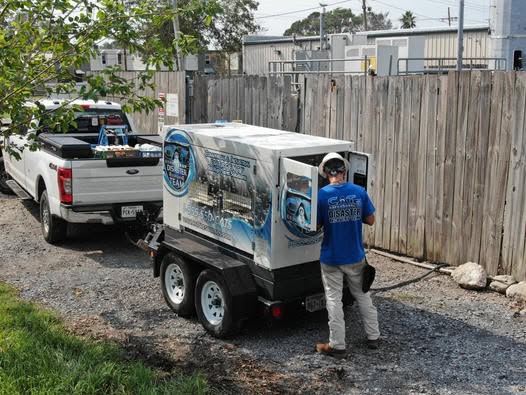
The Importance of Facilities Maintenance Before and After Severe Weather
Severe weather can affect more than a facility’s electrical supply.
Water intrusion, damaged equipment, interrupted communications, and access limitations can create additional operational challenges.
For organizations responsible for multiple facilities, coordinating maintenance activities and addressing equipment problems efficiently are important parts of recovery planning.
A proactive facilities maintenance approach can help businesses identify vulnerabilities before a storm and prioritize necessary inspections and repairs afterward.
Combining preventive maintenance with emergency power planning provides a more comprehensive approach to operational readiness.
Supporting Generator Fueling and Critical Infrastructure
Cat5 Resources provides services supporting commercial facilities, telecommunications infrastructure, and generator operations.
Its capabilities include emergency fuel delivery, generator maintenance, cell site maintenance, and facilities maintenance services.
For organizations responsible for maintaining essential equipment and infrastructure, coordinating these services as part of a broader preparedness strategy can help address operational challenges associated with severe weather.
Hurricane Isaias reinforces the importance of evaluating backup power systems before they are needed and understanding the resources required to support critical operations during extended outages.
Prepare Your Business for Future Power Disruptions
Hurricanes and other severe weather events can create significant challenges for businesses that depend on uninterrupted power.
While no preparedness strategy can eliminate every risk, routine generator maintenance, fuel planning, and coordinated facilities support can help organizations better prepare for potential disruptions.
We work with businesses and infrastructure operators that require generator fueling, maintenance, and facilities support.
To learn more about available services, contact us to discuss your operational requirements.