
Edouard strengthened before landfall along the Louisiana coast on September 1 and then moved into Southeast Texas. By that evening, the center of the storm was passing through the Beaumont metropolitan area, bringing heavy rainfall and gusty winds with it.
Flooding ultimately became one of the storm’s most significant impacts. More than 20 inches of rain fell in some areas north of Beaumont, with observed totals reaching as high as approximately 22 inches in some locations. Roads flooded, trees fell, and power outages affected communities across East and Southeast Texas.
Power interruptions were also widespread. Approximately 80,000 customers were affected by outages at some point during the storm, and restoration efforts were complicated by flooded roads, fallen trees, debris, and saturated ground.
The Texas Division of Emergency Management continued to warn of heavy rainfall and flooding threats even after Edouard was downgraded and moved farther inland.
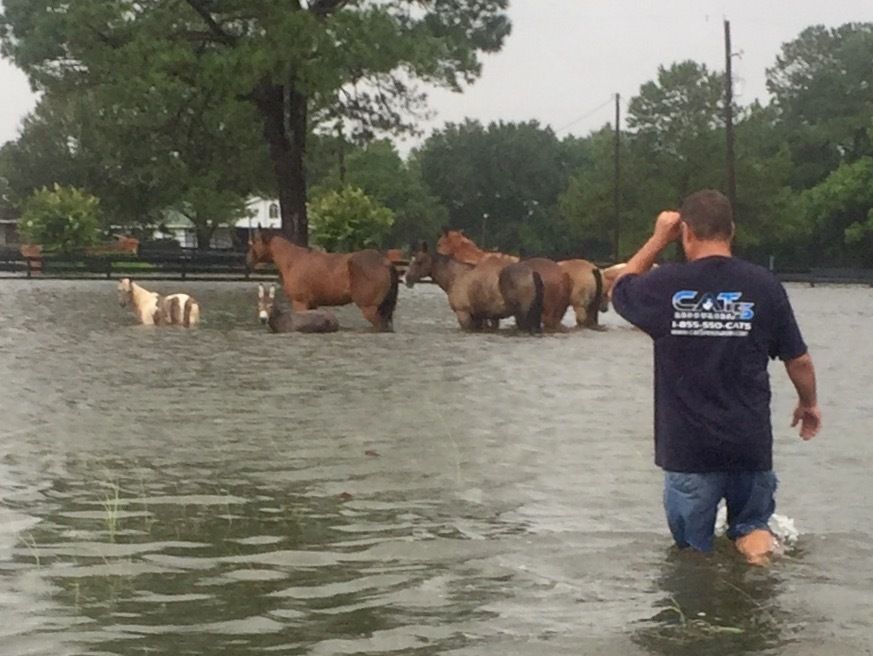
Severe Weather Creates Multiple Infrastructure Challenges
A storm does not have to become a major hurricane to create significant operational problems.
Heavy rainfall can restrict access to facilities and remote sites. Fallen trees and damaged utility infrastructure can interrupt commercial power. Flooding can make transportation and equipment deployment more difficult. When outages continue for an extended period, facilities relying on backup generators must also consider fuel supply, generator condition, and runtime.
For organizations responsible for multiple facilities or critical infrastructure, several of these issues can occur simultaneously.
That makes preparedness more than simply having a backup generator available. Organizations also need to consider how that equipment will be maintained, fueled, and supported if normal operations are disrupted for an extended period.
Generator Maintenance, Fuel Delivery and Temporary Power
Backup power systems are an important part of severe-weather preparedness, but they need to be ready when called upon.
Regular generator maintenance can help identify potential equipment issues before an outage occurs. During extended outages, generator fuel delivery and refueling become equally important as existing fuel supplies are consumed.
There may also be situations where additional or temporary generation capacity is needed. Rapid generator deployment can provide temporary power when existing infrastructure is unavailable or additional generation is required.
Cat5 Resources provides generator maintenance, emergency fuel delivery, generator deployment, and related infrastructure support services for commercial and critical infrastructure operations.
These services also align with areas where Cat5 is already gaining strong search visibility. Current organic rankings include #3 for “rapid deploy generator,” #7 for “propane generator refueling,” #17 for “emergency generator refueling,” and #18 for “generator fuel delivery.”
Supporting Cell Sites and Commercial Facilities
Telecommunications infrastructure can face many of the same challenges during severe weather.
Cell sites rely on supporting systems including generators, electrical equipment, HVAC systems, fuel systems, and other components that help keep the overall site operational. When commercial power is interrupted, maintaining those supporting systems can become increasingly important.
Cat5 Resources provides cell site maintenance and infrastructure support associated with these systems. Cat5 does not perform structural work on the tower itself.
Commercial facilities can face similar concerns. Generator systems, HVAC equipment, electrical systems, grounds, and other facility components all contribute to maintaining normal operations. A comprehensive maintenance strategy can help organizations identify potential problems before severe weather places additional demands on those systems.
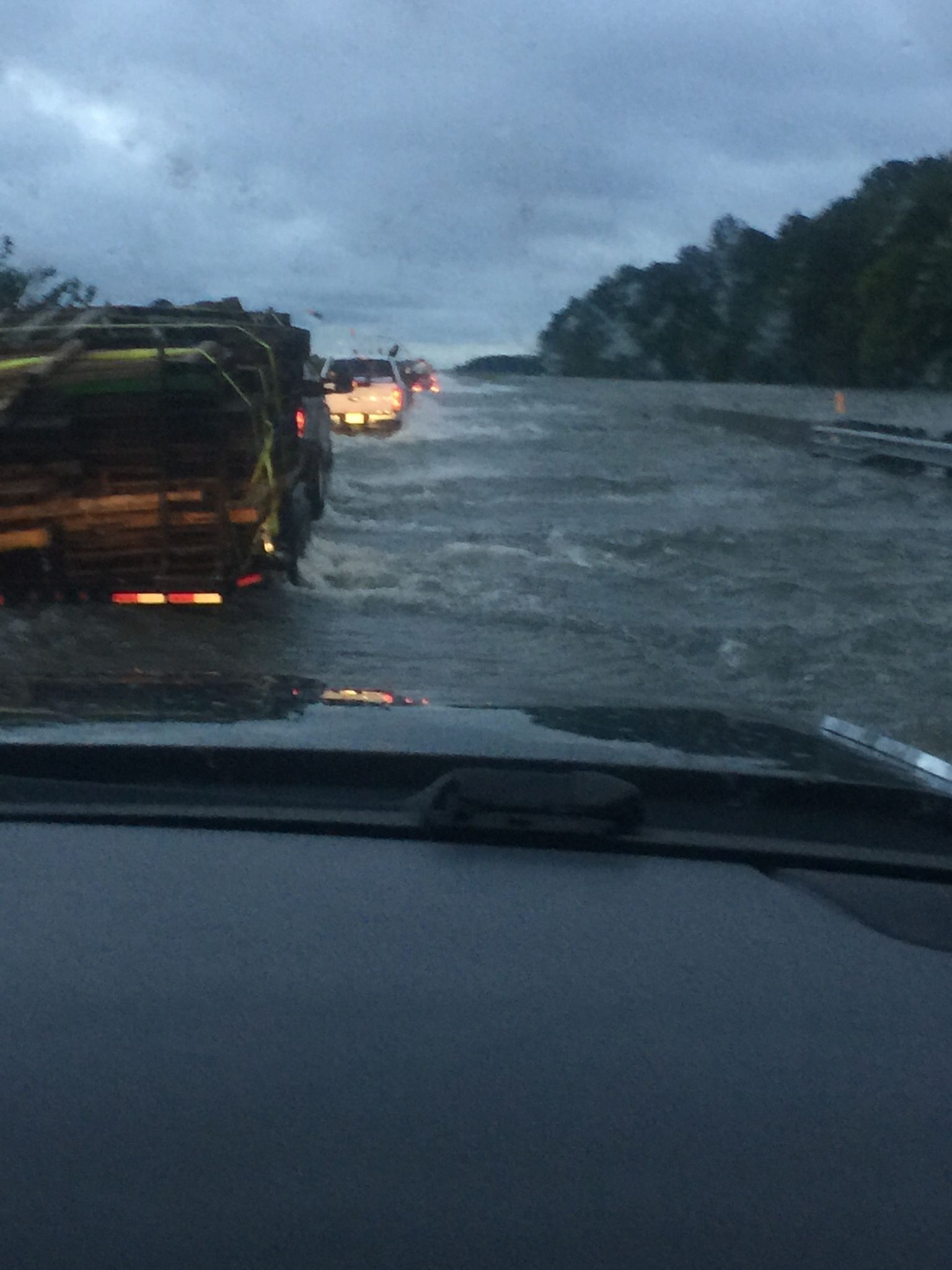
Preparing for the Next Gulf Coast Storm
Tropical Storm Edouard demonstrated how quickly severe weather can affect power, transportation, facilities, and infrastructure across Southeast Texas.
For facility managers and infrastructure operators, preparedness should include understanding how long backup generators can operate, whether equipment has been properly maintained, how additional fuel can be delivered during an extended outage, and what options are available if temporary power or additional resources are needed.
Cat5 Resources provides facility maintenance, generator maintenance, emergency fuel delivery, generator deployment, cell site maintenance, and related infrastructure support services for commercial facilities and critical infrastructure.
Preparing before the next storm can help ensure the equipment, resources, and support needed to maintain operations are already part of the plan.
Contact us to learn more about facility maintenance, generator support, emergency fuel delivery, and infrastructure services.