
Hurricane season can create significant challenges for organizations that depend on reliable power. While backup generators are often the first line of defense during outages, fuel availability can quickly become a critical concern when storms disrupt transportation networks and supply chains.
Developing an emergency fuel delivery plan before hurricane season begins can help organizations improve preparedness and reduce the risk of operational disruptions during extended outages.
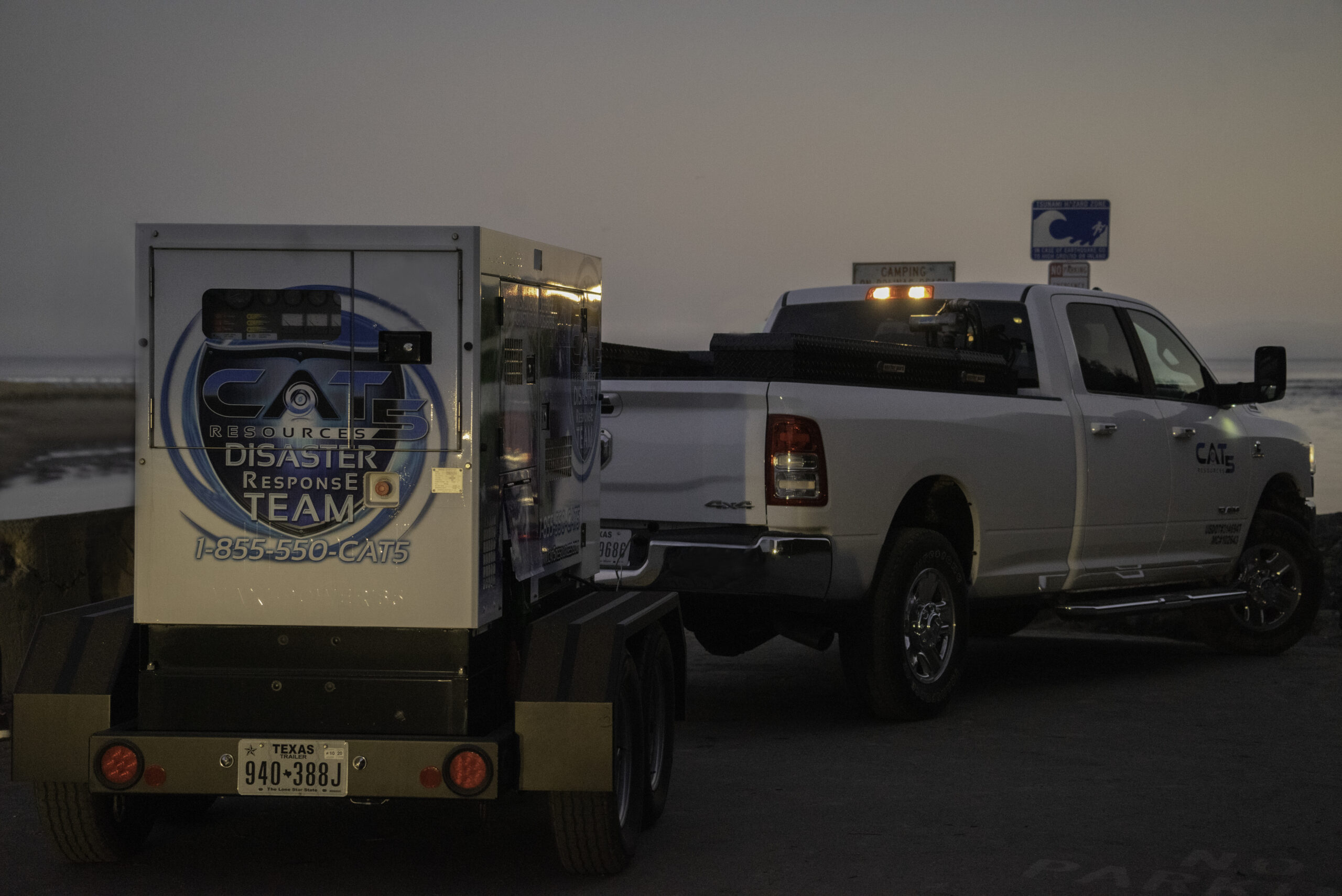
Why Fuel Planning Matters
Many businesses and critical infrastructure facilities invest in backup generators to maintain operations during emergencies. However, generator performance ultimately depends on having an adequate fuel supply available when it is needed most.
During major weather events, organizations may encounter:
- Utility power interruptions
- Transportation delays
- Fuel shortages
- Increased demand for emergency services
- Restricted access to affected areas
- Extended recovery timelines
Without a fuel management strategy, even properly functioning backup generators may face operational limitations.
Hurricane Season Creates Unique Challenges
Storm-related outages can last far longer than many organizations anticipate.
High winds, flooding, infrastructure damage, and transportation disruptions can delay restoration efforts and complicate fuel logistics throughout affected regions.
Organizations supporting critical infrastructure often require contingency plans that account for:
- Multi-day outages
- Increased fuel consumption
- Access restrictions
- Emergency deployment requirements
- Supply chain interruptions
Preparing ahead of storm season helps reduce uncertainty when conditions become more severe.
Building an Emergency Fuel Delivery Plan
An effective emergency fuel strategy begins long before a storm develops.
Evaluate Fuel Requirements
Organizations should understand how much fuel critical systems consume under normal and emergency operating conditions.
Factors may include:
- Generator size
- Runtime expectations
- Number of supported facilities
- Equipment deployment requirements
- Operational priorities
Review Fuel Storage Capacity
Understanding available on-site fuel capacity can help organizations estimate how long systems may operate during an outage.
Identify Critical Operations
Not every system may require the same level of support during an emergency. Prioritizing essential operations can improve resource allocation and planning efforts.
Establish Response Procedures
Clear communication and response plans can help improve coordination during emergency events and reduce delays when action is required.
Supporting Business Continuity
Fuel planning is an important component of overall business continuity and disaster preparedness efforts.
Organizations that proactively address backup power and fuel logistics are often better positioned to maintain operations during:
- Hurricanes
- Tropical storms
- Severe weather events
- Extended utility outages
- Disaster response operations
Advance preparation helps reduce uncertainty while improving operational resilience during challenging conditions.
Fuel Logistics and Critical Infrastructure
Reliable fuel logistics can play an important role in supporting critical infrastructure operations before, during, and after major weather events.
Industries that often depend on backup power readiness include:
- Telecommunications
- Infrastructure support operations
- Industrial facilities
- Emergency response organizations
- Transportation and logistics operations
Having a plan in place before hurricane season begins can help improve readiness and support operational continuity when unexpected events occur.
Preparing for the Months Ahead
Hurricane season serves as a reminder that emergency preparedness extends beyond generator ownership. Backup power systems, maintenance planning, and fuel logistics all work together to support operational reliability during outages.
Organizations that take proactive steps now can reduce risk and improve preparedness before severe weather impacts operations.
At Cat5 Resources, we understand the importance of planning, readiness, and supporting critical infrastructure operations during challenging conditions. Preparing ahead of hurricane season can help organizations respond more effectively when power disruptions occur.
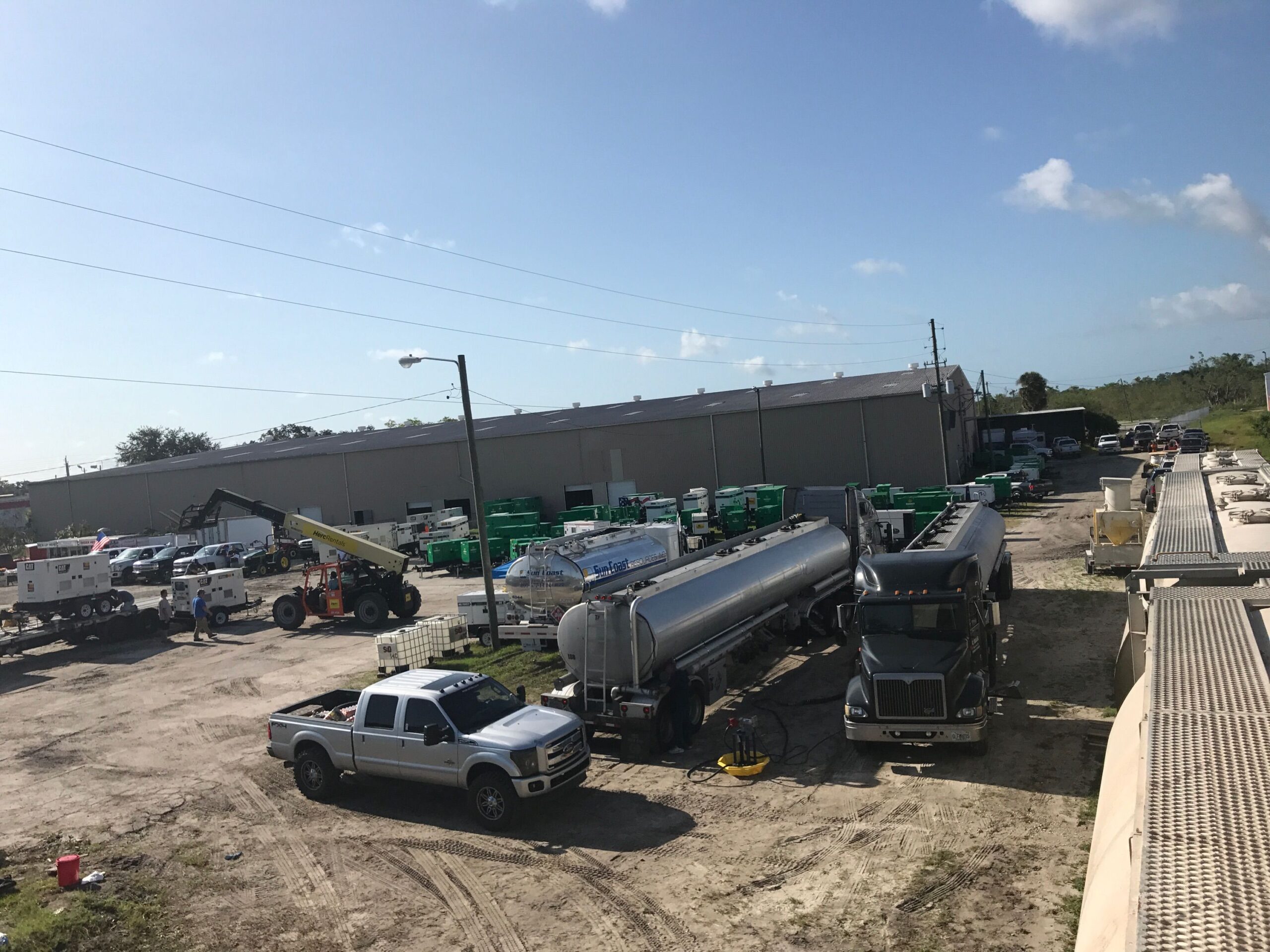
When severe weather threatens operations, having a fuel strategy in place can be just as important as having backup power available. Cat5 Resources supports critical infrastructure, telecommunications, and emergency response operations with solutions designed to help organizations stay prepared.
Contact us today to learn more about emergency fuel delivery, generator support services, and hurricane season preparedness planning.